

More Australians struggling with housing, food, utilities and health care.
More Australians struggling with housing, food, utilities and health care.
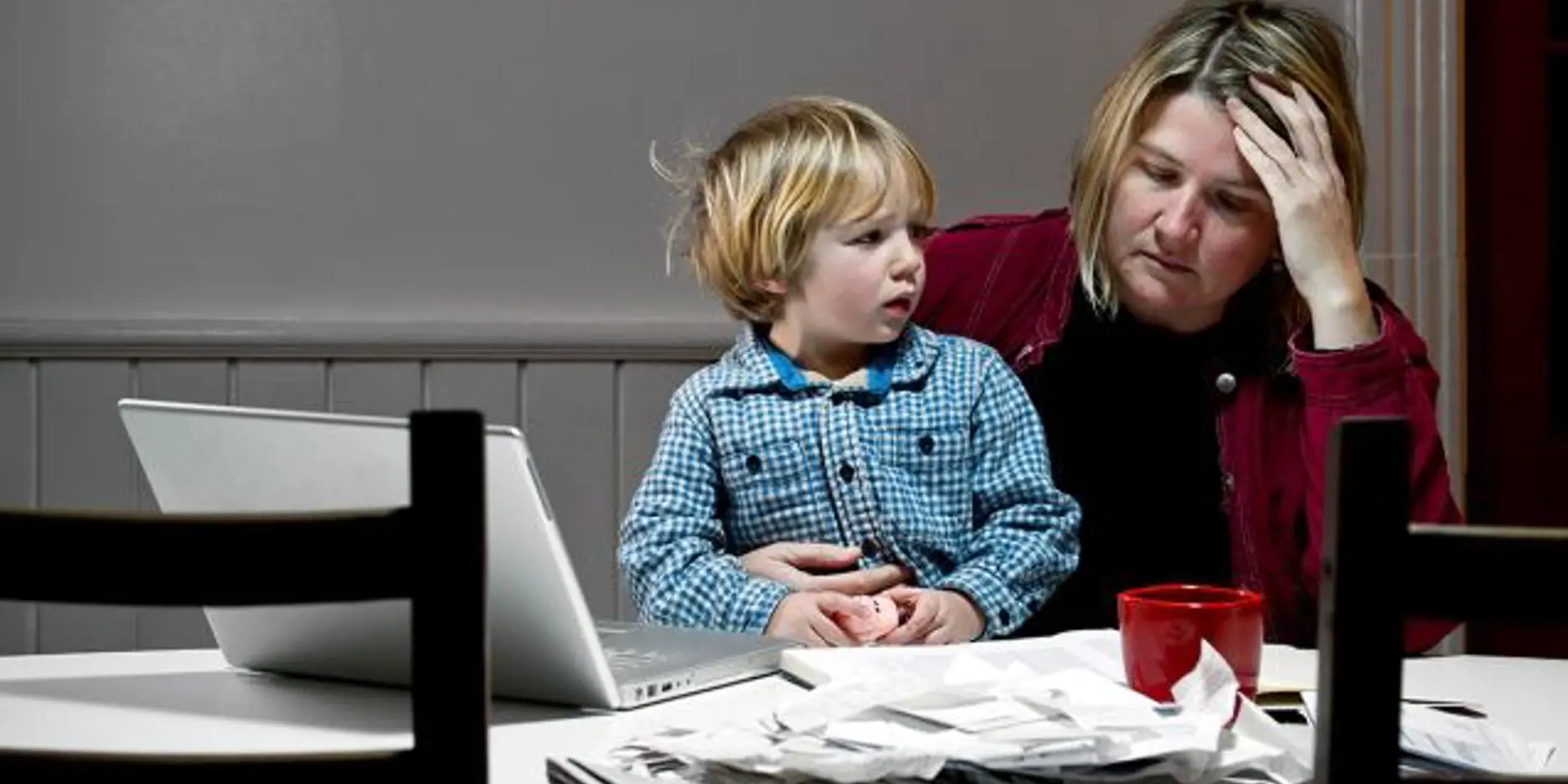
The Salvation Army research finds 97 per cent of Australia’s most vulnerable struggling below the poverty line.
Research conducted by The Salvation Army has highlighted that the most vulnerable in our society are struggling to make ends meet, with 84% of those surveyed finding it a challenge to meet basic living expenses, including housing, utilities, food and health care, in the past 12 months.
The new Salvation Army research report, released as part of the annual Red Shield Appeal, surveyed more than 1400 people who have called on the Salvos for assistance over the past 12 months.
The research found that after paying for housing costs, 93% of respondents were living below the poverty line, with 75% saying that managing financial stress was one of their greatest challenges, 65% needing to ask for financial help from family and friends and 56% not being able to afford medical or dental treatment when they need it.
“Sadly, almost half of those surveyed have been forced to go without meals due to shortage of money, 36% can’t afford medicines prescribed to them and 32% can’t pay their rent or mortgage on time,” says Major Bruce Harmer, National Public Relations Secretary for The Salvation Army.
“Over recent years, Australians have faced unprecedented economic stress and uncertainty due to the COVID-19 pandemic, inflation and rising costs of living. In addition, we’ve faced fires, drought and most recently floods, putting even more financial pressure on the most vulnerable.”
“Both housing stress and the risk of homelessness is high amongst those who participated in our research, with 78% in housing stress, paying 30% or more of their household income on housing, and 48% in extreme housing stress, paying 50% or more of their household income on housing.”
After paying for housing costs, many households were left with little disposable income – respondents in paid employment were left with just $29 a day to live on after paying for housing, and those on government support payments were left with only $22 a day.
“Our research has shown that the situation is particularly dire for those who are living on government support payments. These people are struggling to afford their basic needs, with 88% finding it difficult to meet their necessary living expenses and 97% living below the poverty line,” Major Harmer says.
The Salvation Army research has also shown that for those living on government support payments:
- 64% said not affording enough food is one of their greatest challenges
- 60% can’t afford medical or dental treatment when they need it
- 55% are going without meals
“It is abundantly clear that many of those living on government benefits are facing extreme financial pressure, finding it hard to keep a roof over their head and food on the table – the necessities of life.
“We’re calling on the next elected Federal Government to focus on the most vulnerable in society. Being able to meet basic living expenses should be the norm for all in an advanced economy like Australia, and not something we are still discussing in 2022.” says Major Harmer.
Over the past 12 months, The Salvation Army has seen a significant increase of people who are turning to them for support, and they are calling on the Australian community to get behind them to help the Salvos keep up with demand and leave no one in need.
From those who participated in the research, families with children reported significant hardship and negative impacts of COVID-19 on their households, with 87% finding it difficult to meet necessary living expenses in the last 12 months and a staggering 98% living below the poverty line after paying for housing costs.
In addition, 81% of households with children are in housing stress, paying 30% or more of their household income on housing. After paying for housing, single parents surveyed had to live on $22 per day, with couples with children being forced to live on just $19 a day.
“Our research has highlighted some extremely concerning statistics, but what’s more important is that each of these figures represents many Australians who are really struggling to make ends meet and to provide the most basic of necessities for their families – housing, medical care, utilities.
“The financial and emotional stress being faced right across our nation is enormous and we’re calling on all Australians to give generously so that we can continue to support the most vulnerable people in the community and help them get back on their feet,” says Major Harmer.
The research reflects The Salvation Army’s Social Justice Stocktake released last month, which reveals housing affordability is the second most issue of concern to Australians after mental health.
The Salvation Army has walked alongside Australians in crisis for more than 140 years and our services form an important part of more than 400 local communities across Australia, serving and responding to local needs every day.
This includes family welfare assistance, refuge for women and children in crisis, homeless shelters, youth drop-in centres, emergency and disaster relief, drug and alcohol rehabilitation and employment training.
Now in its 58th year, The Red Shield Appeal is The Salvos’ flagship fundraising appeal. This year the aim is to raise $36 million to fund more than 2,000 centres and services across Australia, with the Red Shield Appeal Weekend taking place on 28 and 29 May.
In the last year The Salvos across Australia*:
- Provided more than $70 million in financial assistance
- Assisted one person every 17 seconds
- Supported 5,800 women and children experiencing family and domestic violence
- Provided 887,500 crisis beds for those experiencing homelessness
- Supported around 35,000 people with alcohol, drug or gambling addictions
“We live and breathe our mission in our work with individuals and families experiencing hardship and crisis every single day, but we need the entire community’s support to achieve this. As Salvos, when we see someone in need, we can also see the potential of what they can achieve with our support, so please give generously.”
*The Salvation Army’s Social Programs Annual Report 2021
To donate to The Salvation Army’s Red Shield Appeal click here, or if you need support from The Salvos click here, or call 13 SALVOS (13 72 58). You can also donate at any Salvos Store.
The Salvation Army’s Research Report:
Salvation Army Doorways Emergency Relief Survey National Findings 2022
About the Report
The research project explored the experiences of financial hardship and deprivation, housing stress and main challenges community members experienced in the past year. A random sample of 10,000 people who had attended The Salvation Army’s Emergency Relief centres in the past twelve months were invited to participate in the survey via text message. The data collection period was open between November to December 2021. Participation was voluntary and responses were confidential. A total of 1,409 respondents completed the online questionnaire.
Financial Hardship
Overall, respondents were struggling to make ends meet and were uncertain about whether their household’s financial situation would improve in the future.
- Over four in five (84%) said that they had found it difficult to meet necessary living expenses, such as housing, utilities, food, and health care, in the past 12 months
- Over one in three (36%) were uncertain if their household financial situation would improve in the next two years. One in six (17%) said that they expected it to get worse
- After paying for housing costs, more than nine in ten respondents (93%) were living below the poverty line
In the past 12 months:
▪ 75% said that managing financial stress and difficulties was one of their greatest challenges
▪ 65% had to ask for financial help from family or friends because of a shortage of money
▪ 56% could not afford medical or dental treatment when needed
▪ 48% went without meals because of a shortage of money
▪ 36% could not afford medicines when prescribed by a doctor
▪ 32% could not pay the rent or mortgage on time because of a shortage of money
Respondents on government support payments struggled particularly with their ability to meet basic needs.
- One in two respondents on government payments (54%) sought assistance mainly due to money management issues, such inability to meet unexpected expenses or temporary increases in basic costs of living
- Nine in ten respondents on government payments (88%) said that they had found it difficult to meet necessary living expenses
- After paying for housing costs, almost all respondents on government support payments (97%) were living below the poverty line
In the past 12 months:
▪ 64% said that being able to afford enough food was one of their greatest challenges
▪ 60% could not afford medical or dental treatment when needed
▪ 55% went without meals because of a shortage of money
▪ 41% could not afford a computer or laptop
▪ 30% could not afford access to the internet at home
▪ 20% could not afford a landline or mobile phone
▪ 20% could not afford warm clothes and bedding when it was cold
Employment and Looking for Work
- Three in ten (30%) respondents said that finding or maintaining employment was one of their greatest challenges of the past 12 months. The challenge of finding or maintaining employment was particularly prevalent amongst those already engaged in paid employment
- Nearly one in five respondents (18%) already in part-time or casual employment reported employment issues, such as reduced work hours or job losses, as one of their main reasons for financial or material seeking assistance from Doorways
A significant proportion of respondents spent considerable time looking for more or other work:
- One in three respondents (35%) already in paid employment were looking for additional work, suggesting prevailing underemployment and insufficient income issues. Moreover, one in three respondents (35%) already in casual or part-time work said that the challenge of finding or maintaining employment was because of, or made worse by, the COVID-19 pandemic
- One in four respondents (27%) on government support payments spent on average 13 months looking for work, spending twice as long looking for employment compared to those already in paid work
- One in ten (9%) respondents on the Disability Support Payment spent on average19 months looking for employment, suggesting that there may be significant barriers to gaining employment amongst this group
Housing
Housing stress and risk of homelessness was high among respondents.
- Nearly four in five respondents (78%) were in housing stress, paying 30% or more of their household income on housing
- Nearly one in two respondents (48%) were in extreme housing stress, paying 50% or more of their household income on housing
After paying for housing costs, many households were left with very little disposable income.
- Respondents is paid employment had to live on $29 a day after paying for housing
- Respondents on government support payments had to live on $22 a day after paying for housing
Families and Children
Families with children reported significant hardship and negative impacts of COVID-19 on their households.
- One in two households with children (48%) said that taking care of their family and children was one of their greatest challenges in the past year
Households with children experienced significant economic disadvantage.
- Nearly nine in ten (87%) said that they had found it difficult to meet necessary living expenses in the past 12 months
- After paying for housing costs, almost all households with children (98%) were living below the poverty line
- After paying for housing, single parents had to live on $22 a day, while couples with children had to live on $19 a day
- Four in five households with children (81%) were in housing stress, paying 30% or more of their household income on housing
In the past 12 months:
▪ 76% could not afford a holiday with family at least once a year
▪ 67% could not afford a computer or laptop
▪ 58% could not afford to pay for classes or activities outside school
▪ 43% could not afford some fitting clothes
▪ 40% could not afford clothes for school
▪ 28% could not afford medical or dental treatment when needed
▪ 18% could not afford three meals a day
▪ 18% could not afford medicines for children when prescribed by a doctor
Respondents with children on government support payments were amongst the most economically disadvantaged government support recipients.
- Four in five respondents (82%) on the Parenting Payment were experiencing housing stress, paying 30% or more of their household income on housing
- After paying for housing costs, almost all respondents on the Parenting Payment (99%) were living below the poverty line
- Respondents on the Parenting Payment were left with $22 a day after housing
The single parent respondents and their children often experienced more hardship and economic disadvantage. In the past 12 months:
- 49% went without meals because of a shortage of money
- 43% could not afford clothes for school
- 36% could not afford internet at home
- 20% could not afford a substantial meal at least once a day
In the past 12months, some of the greatest challenges for the children of single parent respondents were:
- Managing their mental health and emotional wellbeing (63%)
- Feeling socially isolated and lonely (56%)
- Dealing with family conflict or relationship breakdown (42%)
Related news