
Celebrating The Salvation Army's national Reconciliation Action Plan (RAP)
Celebrating The Salvation Army's national Reconciliation Action Plan (RAP)
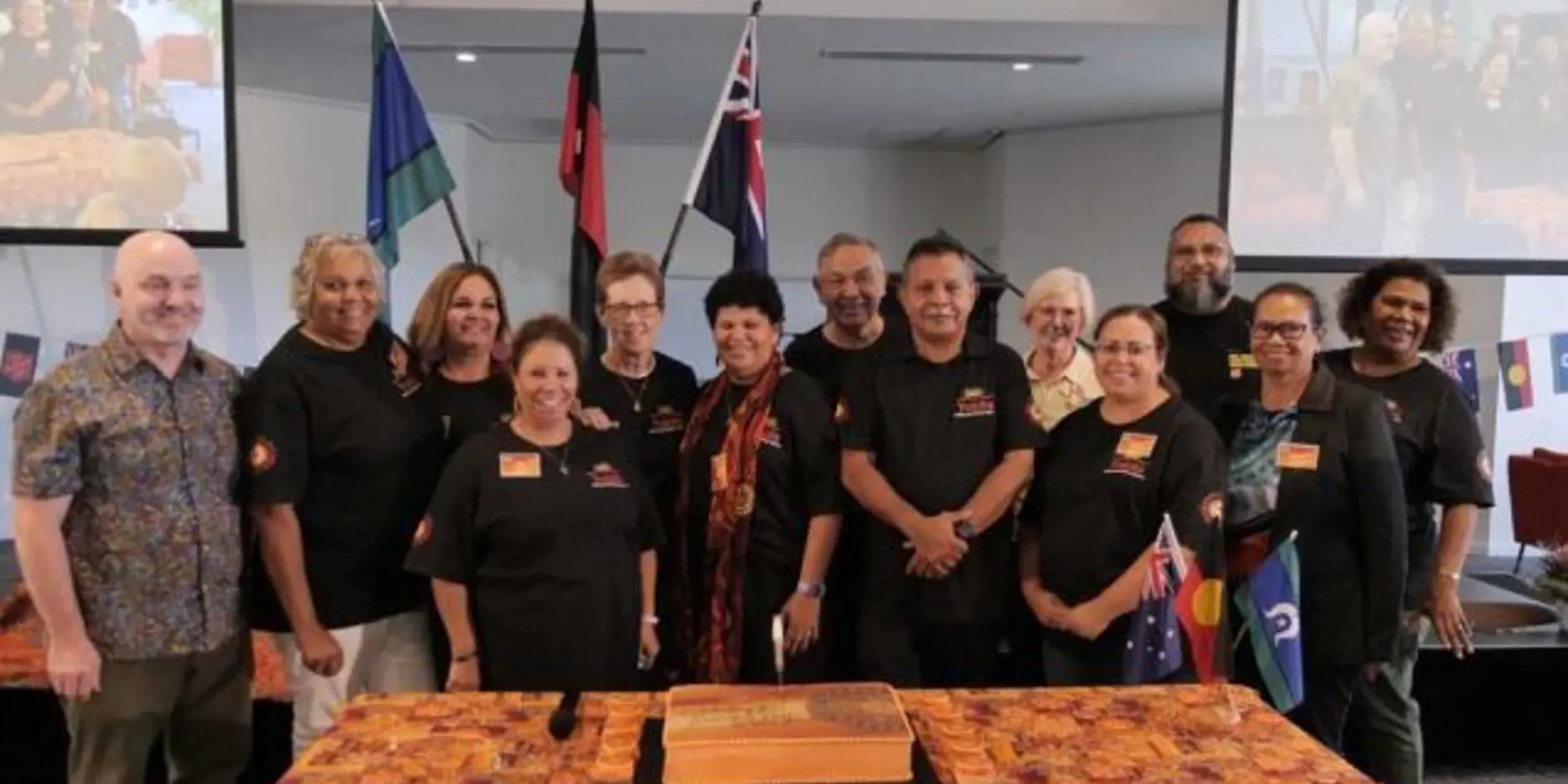
In late 2020, The Salvation Army Australia launched its first national Reconciliation Action Plan (RAP). Having now completed the three-year ‘Innovate’ stage, 2024 marks the beginning of stage two — the ‘Stretch’ stage.
A RAP is a framework for an organisation to contribute to the reconciliation movement. RAPs deliver tangible and substantive benefits for First Nations peoples and consist of five components: race relations, equality and equity, institutional integrity, historical acceptance and unity.
“A Reconciliation Action Plan gives [an] organisation a framework to contribute to the reconciliation movement,” explains Lucy Davis, Reconciliation Action Plan Strategic Manager for The Salvation Army.
Talking about the need for a RAP
Prior to the launch of the Salvation Army’s national RAP in late 2020, more than 1200 Salvos gathered in yarning circles online and overwhelmingly expressed a desire to see things change.
“We started by saying, ‘What are we doing now, and what can we do better?’” Lucy says. “[By that stage] COVID-19 had hit, so we had to try to do it all online in our homes, making sure we had local voices and corporate voices. There was a real expectation to come with grace, to leave preconceived thoughts prior to coming to the circle, and that together we would yarn this out.”
Key areas of progress towards reconciliation
The national RAP ‘Innovate stage’ impacted key areas of The Salvation Army’s engagement with Aboriginal and Torres Strait Islander peoples, including:
- The development of the Burra Burra network, which allows Salvation Army First Nations personnel to connect and feel welcome
- The establishment of a Recruitment and Retention Working Group which has updated the recruitment process (resulting in the number of Aboriginal and Torres Strait Islander candidates hired increasing by 40 per cent)
- The introduction of cultural immersion experiences in The Salvation Army’s South Australia/Northern Territory Division
- The establishment of a ‘truth-telling’ framework
“We needed progressive change and structural change,” Lucy says. “Action makes movement; it isn’t just lip service. There are measurable, tangible outcomes, and when something hasn’t worked, we asked, ‘Could this be done better?’
“On paper, our RAP looks really good, and we are ticking all the right boxes, but if we are not having an impact on First Nations people in the communities we work in, then we have to look at how we measure success.”
Mutual respect and understanding essential
Lucy says, “If you don’t get this right, there’s disconnection from Country and spirit, disconnection from the First Peoples of the land. I think it’s different for a faith-based organisation because they played a massive part in disrupting Aboriginal communities and homes.
“There are significant disadvantaged communities in Australia that The Salvation Army either set up or played a role in operating. We have a responsibility to those people who now live in intergenerational trauma...
"This is exactly where Jesus would want us to be. This is his bread and butter,” she says. “The Salvation Army’s vision for reconciliation is to be a faith movement committed to social justice, equity and freedom.”
Next stage of the RAP
The ‘Stretch’ RAP consultation began in March 2024 and will officially launch in August 2024. Key targets will be:
- The engagement of Aboriginal and Torres Strait Islander peoples in every community where The Salvation Army is present
- To have an active target for Aboriginal and Torres Strait Islander employment
- To review the organisation’s ‘Closing the Gap’ strategy
- To develop and undertake a truth-telling process in communities
“Next is truth-telling, repair and justice,” Lucy explains. “We have to go on this scary journey of truth-telling about where our footprint has been as a Christian movement. We have to start engaging in those yarns, to accept it and work together to rectify the situation we’ve been a part of.”
Faith and following Jesus
Lucy says: “I ... look at Jesus moving from place to place. If that’s what it takes, to move our way through and empower local voices, then that’s what it takes. We need to be the doers and goers in the background, empowering local voices who are the experts on their community.”
While Lucy says she was a skeptic at first and still sees greater need to communicate the RAP aims and deliverables to Salvation Army Aboriginal and Torres Strait Islander employees, she says Salvation Army leadership has been highly supportive and committed.
“Reconciliation Action Plans deliver tangible and substantive benefits to First Nations people and increase cultural safety in the workplace,” says Lucy. “Reconciliation requires political will, joint leadership and trust-building, accountability and transparency, as well as a substantial investment of resources”.
“We have one of the most progressive RAPs in the faith-based community. I am so proud of the work we’ve done, but it would never have happened without leadership. If we didn’t have those leaders with us on every step of this journey, our RAP would not have had so much success.”
(Based on an article written by Anthony Castle for Salvos Online https://www.salvosonline.org.au/post/reconciliation-action-plan-moves-to-next-level)
Related news